
After Your Panel Upgrade: Labeling & Aftercare Checklist
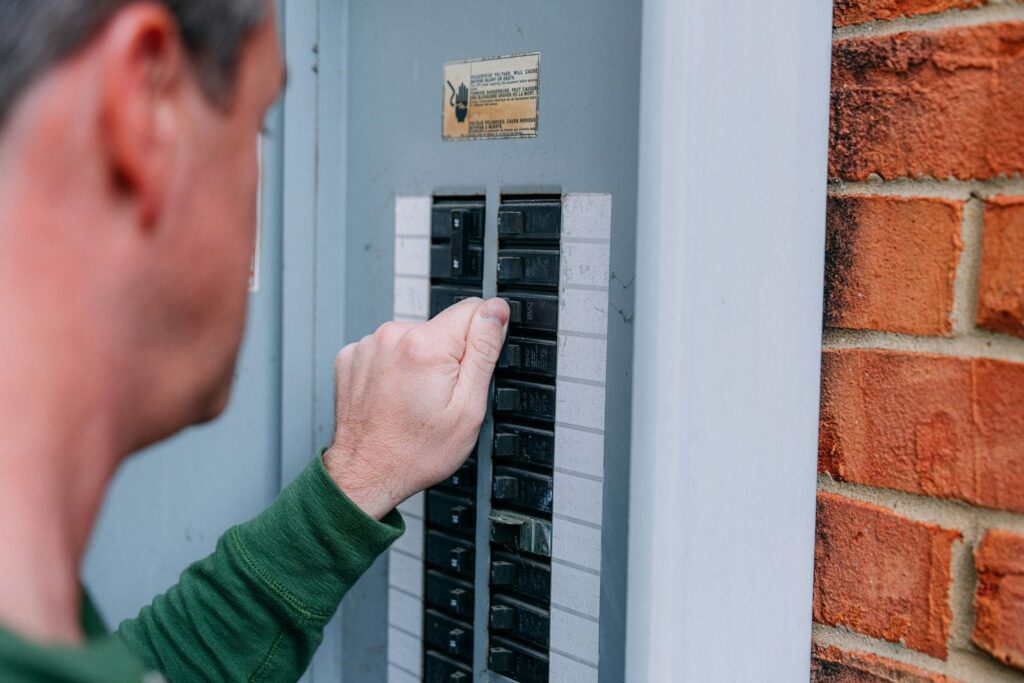
You have just invested in a new electrical panel, and the breakers are all in place-but the job is not truly “finished” until everything is clearly labeled, and you know how to look after your upgraded system. Proper labeling and a simple aftercare routine make it easier to cut power safely, troubleshoot issues, and keep inspectors and future buyers happy.
This guide walks you through a practical electrical panel labeling checklist plus an aftercare routine you can follow after your electrician leaves. You will not be working on live parts-only on labels and basic, visual checks-so you can stay safe while keeping your new panel organized and easy to use.
Why Panel Labeling And Aftercare Matter
Labeling and aftercare might feel like small details compared to the upgrade itself, but they have a big impact on safety and convenience. In an emergency, you want to be able to shut off the right breaker in seconds, not guess your way through a dozen unlabeled switches. Clear labeling also helps you avoid accidentally turning off essential circuits like fridges, sump pumps, or medical equipment.
Good labels are not just for you. They help your family, future electricians, home inspectors, and even the next owner understand what each breaker controls. When labels are vague or wrong, every bit of work takes longer and costs more because someone has to map the circuits all over again. A well‑labeled panel is a sign that the home is maintained with care.
If you have not yet upgraded but are exploring options, it can help to see where labeling fits in the bigger picture of a panel project.
Electrical Panel Labeling Checklist
Your labeling checklist is the centrepiece of this page. Think of it as a small project you can complete over an afternoon that will keep paying off for years.
At a high level, the steps look like this:
- Get your tools, information, and safety basics sorted.
- Map each breaker to specific rooms, outlets, and appliances.
- Write clear, plain‑English labels that anyone can understand.
- Build a simple circuit directory using the inside‑door label sheet.
To make this easier to review, here is a simple overview table you can recreate in your panel directory:
| Breaker # | Area/Room | What It Controls | Notes (AFCI/GFCI/Dedicated) |
| 1 | Kitchen | Counter outlets (north wall) | GFCI protected |
| 2 | Main Floor Living Room | Wall outlets (TV and window wall) | – |
| 3 | Basement | Pot lights and stair lighting | AFCI protected |
| 4 | Garage | Lights and general outlets | – |
| 5 | Exterior | EV charger | Dedicated 40A breaker |
Treat this as a template and adjust the number of rows to match your actual panel.
Get Ready: Tools, Info, And Safety
Before you touch the panel, gather a few simple tools and pieces of information. You will want a permanent marker or label maker, blank label strips or stickers, a notepad or printed floorplan, and ideally a helper to walk around the home while you flip breakers. If your electrician provided a basic circuit list or diagram, keep it handy – this will speed up the mapping process and reduce guesswork.
Safety always comes first. You should only be working with the panel cover closed, on the labels and breaker handles – not on any internal wiring or live parts. Make sure the area around the panel is well lit, dry, and free of clutter so you can move and read labels easily. If anything about the panel looks damaged, smells “hot,” or seems wrong, stop and call your electrician rather than continuing on your own.
Most Licensed Electrical Contractors will leave at least a basic directory after a panel upgrade, but they cannot know your preferred room names or how you use each space. Your job is to refine that directory into plain language that makes immediate sense to you and to anyone else who might need to use the panel later.
Map Circuits Room By Room
The most reliable way to label a panel is to test each breaker and see what it actually controls. The easiest method is to have two people: one at the panel and one walking the house. Start with one breaker, switch it off, and have your helper note which lights and outlets lose power. Then turn that breaker back on, write down the room name and what turned off, and move on to the next one.
As you go, group circuits logically. Instead of writing a vague label like “Plugs,” use something like “Kitchen – Counter Outlets (North Wall),” or “Basement – Pot Lights & Stairs.” You may discover that some circuits serve more than one room; in that case, list both areas on the label, or decide on a main room description and add a short note (for example, “Bedroom 2 + Hallway Light”).
This process can feel repetitive, but it is worth doing carefully. Taking the time to map your panel now will save you time, money, and stress when there is a tripping breaker, a renovation, or an urgent need to shut off power to a specific area.
Write Clear, Plain-English Labels
Once you have mapped a few circuits, start turning your notes into final labels. Aim for labels that someone who has never been in your home could understand: clear room names, a simple description of what the circuit controls, and minimal abbreviations. For example, “Main Floor Bathroom – Lights & Fan” is a lot more helpful than “Bath 1” or “LTS.”
Think about emergency use as you write. In a hurry, will you know which breaker kills the kitchen stove, or the sump pump, or the EV charger? Short, specific descriptions help you act quickly and avoid accidentally turning off the wrong circuit. A label maker is ideal for neat, durable labels, but neat handwriting with a permanent marker can work just as well if it is legible and consistent.
Avoid using temporary notes like sticky tape or pencil marks; these fade, smear, or fall off over time. Treat your labels as part of the finished job: something that should last as long as the panel itself, and that you will be happy for an inspector or potential buyer to see.
Create A Circuit Directory You Can Actually Use
The inside of your panel door usually has a directory card or label area. Use this as a simple table where each breaker number is matched with the room and what it controls. You can mirror the format in the example table above: breaker number, area/room, what it controls, and any notes like “AFCI,” “GFCI,” or “Dedicated – EV Charger.”
Consider creating a backup copy of your directory. Take a clear photo of the filled‑in card and store it in a digital “Electrical” folder, along with your ESA documentation and any diagrams from the electrician. You can also keep a printed copy in a clear plastic sleeve near the panel, so it is protected from dust and easy to update when you add new circuits or change room functions.
The goal is to create a directory that you can understand at a glance, even if it has been months since you last opened the panel. The clearer you make things now, the easier every future electrical job will become.
Best Practices for Clear and Compliant Panel Labels

Keep Language Simple, Consistent, And Legible
Good labels are simple labels. Choose a naming style and stick with it: for example, “Main Floor Living Room,” “Second Floor Bedroom 2,” “Basement Rec Room.” Avoid inside jokes, nicknames, or abbreviations that only make sense to you. If someone else opened the panel, they should be able to figure out what each breaker does in a few seconds.
Legibility matters as much as clarity. Write in block letters if you are hand‑labeling and avoid tiny, cramped handwriting. If labels fade or smudge, refresh them promptly; a barely readable label is almost as bad as no label at all. Think of the panel door as a safety document, not a scratch pad.
Note Special Circuits And Safety Devices
Not all circuits are equal. Some serve critical appliances or include special safety devices, and those deserve extra attention in your labeling. Clearly mark any dedicated circuits for major appliances, such as ovens, dryers, heat pumps, hot tubs, or EV chargers. A quick note like “Dedicated – Furnace” or “Dedicated – EV Charger” can prevent someone from accidentally overloading that circuit later.
You should also indicate if a circuit is protected by GFCI or AFCI, especially in bathrooms, kitchens, basements, and bedrooms where these protections are common. Adding short notes like “GFCI protected” or “AFCI bedroom circuit” can help you and your electrician troubleshoot more efficiently when a device trips.
Finally, consider marking any life‑safety circuits, such as sump pumps, fire alarm systems, or medical equipment, with a small symbol or asterisk and a note on the directory explaining what that symbol means. This makes it easier to avoid turning those circuits off unless absolutely necessary.
When Labels Touch Code (What ESA/Inspectors Look For)
In Ontario, the Electrical Safety Authority (ESA) and inspectors want to see that circuits are clearly identifiable and that your panel accurately reflects how the home is wired. While there is no single “official” format for panel labels, inspectors will expect each breaker to have a description that makes sense and matches reality when tested.
Any time you add new circuits or make changes to the panel wiring, that work should be done by a Licensed Electrical Contractor, and the label should be updated accordingly. If you are unsure how to find the right type of contractor, the Government of Ontario provides guidance on hiring a Licensed Electrical Contractor, which is a good place to start when planning electrical work beyond labeling and simple aftercare.
Aftercare Checklist: Life With Your New Panel
First 48 Hours After Your Panel Upgrade
The first couple of days after a panel upgrade are a good time to pay closer attention to how your system behaves. Walk by the panel occasionally and check for unusual smells, visible discoloration, or excessive warmth around the door. A panel should be cool and quiet under normal conditions. If anything smells “hot,” if the panel feels warm to the touch, or if you hear buzzing, call your electrician right away.
Also pay attention to your breakers. A single, unexplained trip can happen from an overloaded circuit, but repeated trips on normal usage are a sign that something is wrong. Because your labels are now clear, you can quickly identify which area is affected and note what was running at the time to share with your electrician.
Finally, use this time to double‑check your directory. As you go about daily life, verify that the correct areas turn off when you flip each breaker, and correct any labels that do not quite match reality.
Seasonal Checks and Ongoing Monitoring
Beyond the first couple of days, aftercare becomes part of your regular home maintenance routine. Once per season, take a minute to open the panel door, glance over the labels, and look for signs of moisture, rust, or damage. Confirm that the area in front of the panel is clear of storage, so you or an electrician can reach it quickly in an emergency.
Keep an eye out for recurring symptoms like dimming lights, frequent trips on particular circuits, or new buzzing sounds. Whenever you notice an issue, use your labels to track exactly which breaker is involved and what was in use when the problem occurred. If problems persist, it could point to a need for deeper troubleshooting or layout changes. For a bigger‑picture look at what that might involve, you can review our guide on upgrading electrical panels for options beyond basic labeling and aftercare.
Adding New Loads Or Renovations
Any time you add significant new electrical load – such as an EV charger, heat pump, hot tub, or a fully finished basement – or you remodel and change how rooms are used, your panel labels should be updated. This is also when you may need a fresh load calculation to make sure your existing panel and service can handle the extra demand.
Work involving new circuits or major changes should always be done by a Licensed Electrical Contractor under an ESA permit, and new circuits must be labeled accurately once the job is complete. If you are planning a jump to a larger service size, such as moving from 100 amp to 200 amp service, it is worth understanding what that involves before the work starts so you can plan labeling and documentation at the same time. For more detail on what is included in an upgrade to 200 amp service, you can read our step‑by‑step guide.
Ontario/Toronto Panel Documentation and ESA Considerations
ESA Certificates, Panel Photos, And Records
In the Greater Toronto Area, panel upgrades and most electrical alterations are inspected by the Electrical Safety Authority. After your project, you should receive an ESA certificate or notification number confirming that the work passed inspection. Keep this document in a safe place; it is often requested by insurers, future buyers, or when planning additional electrical work.
Along with your ESA documentation, store before‑and‑after photos of your panel and a copy of your completed circuit directory. You can keep these in a physical “Electrical” folder near the panel and in a digital folder that you can access quickly if needed. Having all of this information in one place makes it much easier to show what was done, when, and by whom if questions come up later.
These records become part of your home’s story. When you can prove that your panel was upgraded properly, labeled clearly, and inspected, it builds confidence and can smooth the path through future renovations and inspections.
What Inspectors and Future Electricians Expect to See
When an inspector, electrician, or prospective buyer looks at your panel, they form an impression very quickly. A clean, accessible panel with neat labels and a clear directory suggests that the home has been cared for. A messy, unlabeled panel, even if new, raises questions that may lead to extra time on site and extra cost for troubleshooting.
Inspectors and electricians expect to see labels that match reality. If your directory says “Kitchen Lights,” flipping that breaker should actually turn off the kitchen lights and not half the basement. When labels and reality do not match, tradespeople may need to remap circuits before they can safely work, which takes time and money.
If, after your upgrade, you still notice persistent issues such as tripping breakers, flickering, or panel noise, it can help to look at the broader set of warning signs that might indicate the need for further work. For more detail on those warning signs, you can read our guide on signs you need an electrical panel upgrade, which explains the most common red flags.
Make Your Home Safer With a Properly Labeled, Well-Maintained Electrical Panel
A new panel is a major investment in the safety and reliability of your home, and a clear labeling and aftercare plan is what turns that upgrade into a long‑term asset. When every breaker is labeled in plain language and you know how to monitor your panel over time, you can handle small issues calmly and give inspectors, buyers, and future electricians confidence in your system.
Our team of ESA/ECRA‑licensed electricians works with homeowners across Toronto and the GTA to plan and complete electrical panel upgrades, create clear panel directories, and provide practical aftercare guidance tailored to your home. We are familiar with the Ontario Electrical Safety Code, ESA permits, and Toronto Hydro requirements, and we are happy to help you finish the job properly – not just with wiring, but with labeling and documentation too.
FAQs
After an upgrade, label each breaker with a clear room name and a simple description of what it controls, such as “Main Floor Living Room – Wall Outlets (TV Wall)” or “Basement – Pot Lights & Stairs.” Avoid vague labels like “Plugs” or “Misc” and use consistent names for each floor and room. The goal is for anyone opening the panel to know what each breaker does in seconds.
The Ontario Electrical Safety Code does not require a specific label format, but circuits must be identifiable. Inspectors and electricians should be able to tell which breaker serves which area or appliance. If you use plain room names, short descriptions, and keep the directory updated when changes are made, you will meet the spirit of what inspectors are looking for.
Handwritten labels are acceptable if they are neat, legible, and done with a permanent marker that will not smudge or fade easily. A label maker gives a more professional look and can be easier to read, especially in dim lighting. Whichever method you choose, focus on clarity and consistency.
Update your panel labels any time you renovate, change how a room is used, or add or remove a major appliance or dedicated circuit. It is also a good idea to review labels briefly once each season. If a label no longer matches how you describe a room or what the circuit controls, update it right away rather than putting it off.
Your Licensed Electrical Contractor should provide a basic circuit directory as part of the upgrade, but they may not know your preferred room names or all the ways you use each space. It is common for homeowners to refine labels after the electrician leaves, making them more descriptive and personal, while still reflecting the actual wiring layout.
Simply updating labels or doing visual checks on a closed panel does not require a permit. However, any new wiring, added circuits, or changes inside the panel itself must be done under an ESA permit by a Licensed Electrical Contractor in Ontario. For guidance on choosing the right type of contractor for that work, you can see the Government of Ontario’s resource on hiring a Licensed Electrical Contractor.
If a breaker trips repeatedly, write down which breaker it is, what the label says, and what was running when it tripped. Try reducing the load on that circuit by moving plug‑in devices elsewhere. If trips continue, contact your electrician and share your notes. Persistent trips can indicate a load issue, a wiring problem, or a need for further panel or service upgrades rather than a simple nuisance.
