
Key Steps to Prepare Your Electrical System for EV Charging
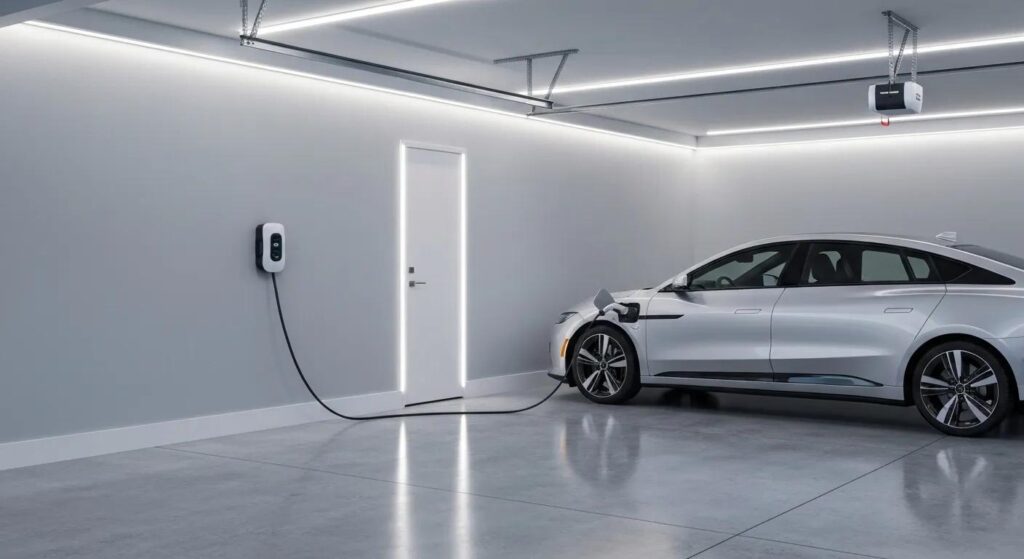
How Can I Ensure My Home’s Electrical System Supports an EV Charger Installation?
Is your home’s wiring ready to power an EV charger safely and efficiently? This guide shows homeowners how to assess current capacity, plan panel upgrades, choose compatible charger types, navigate Toronto’s permit requirements, and enlist licensed electricians—all to ensure seamless EV charger installation. You’ll learn:
- How to evaluate panel capacity and upgrade indicators
- When and how to increase amperage for Level 2 charging
- Charger compatibility and smart‐charging benefits
- Toronto‐specific permit rules and ESA compliance
- Selecting a qualified electrician for professional installation
Electrician in Toronto offers expert EV charger installation services in Toronto to streamline every step from assessment to final certification.
How Do I Assess My Home’s Current Electrical System for EV Charger Compatibility?
Assessing your home’s electrical system involves defining panel capacity, measuring available circuit space, and verifying wiring health to support a dedicated EV charger circuit. For example, a modern 200 amp panel typically accommodates a 40–50 amp EV branch circuit without disrupting other loads. Understanding these factors ensures safe continuous charging and prevents overloads.
What Electrical Panel Capacity Do I Need for an EV Charger?
Most Level 2 chargers require a dedicated 240 V circuit drawing 30–50 amps, which normally corresponds to a 60 amp breaker on a 200 amp electrical panel. Matching panel rating to charger amperage prevents overheating and allows headroom for future loads.
Qmerit, How Many Amps Are Required for a Level 2 EV Charging Station? (2022)
A 200 amp panel is recommended for most EV installations, supporting safety and future electrical needs.
What Are the Signs That My Electrical Panel Needs an Upgrade?

Frequent breaker trips, rust on the panel, insufficient breaker spaces, flickering lights, or a panel older than 20 years indicate that an upgrade is necessary before adding an EV charger. Recognizing these signs early helps avoid unsafe conditions and delays in installation.
When and How Should I Upgrade My Electrical Panel for EV Charging?
Upgrading your panel ensures the additional amperage and dedicated circuits required by an EV charger are safely accommodated. Proper upgrades maintain code compliance and protect home electrical infrastructure.
When Is an Electrical Panel Upgrade Necessary for EV Charger Installation?
An upgrade is necessary when your existing panel cannot support the current demand or lacks spare breaker slots for a dedicated EV circuit. Other criteria include outdated panel types (e.g., fuse boxes), non‐compliance with modern grounding standards, and visible aging of breakers.
What Are the Steps Involved in an Electrical Panel Upgrade?
Upgrading a panel involves clear phases from assessment through final inspection, each critical to safety and compliance.
- Perform load calculation and site survey
- Apply for a City of Toronto panel upgrade permit
- Decommission and remove the old panel
- Install new panel with correct amperage rating
- Configure breakers and wire the EV branch circuit
- Schedule ESA inspection and obtain Certificate of Acceptance
How Much Does an Electrical Panel Upgrade Cost in Toronto?
A typical panel upgrade in Toronto ranges from $1,500 to $4,000, depending on amperage (e.g., 200 A vs. 400 A), additional wiring, and permit fees. Key cost factors include:
- Panel amperage rating and brand
- Municipal permit and inspection fees
- Labor rates for licensed electricians
- Additional circuit wiring and conduit requirements
For detailed capacity increases and professional execution, explore our Electrical Panel Upgrade Services in Toronto.
What Types of EV Chargers Are Compatible with Home Electrical Systems?
EV chargers fall into two main categories—Level 1 and Level 2—each suited to different home power configurations. Choosing the right type ensures efficient charging and aligns with your panel capacity and lifestyle needs.
What Are the Differences Between Level 1 and Level 2 EV Chargers?
Level 1 chargers operate at 120 V and deliver 2–5 km of range per hour, while Level 2 units require a 240 V circuit and provide 25–60 km of range per hour, making them the preferred choice for daily home charging.
A Level 2 charger paired with a 200 amp panel future-proofs your home for higher electrical demands.
How Do Smart Chargers Enhance Home Energy Management?
Smart EV chargers integrate with home energy systems to schedule charging during off-peak hours, balance overall electrical load, and provide usage data via Wi-Fi connectivity. Key features include:
- Automated scheduling to leverage lower time-of-use rates
- Load management to prevent panel overload
- Real-time energy monitoring and usage reports
- Over-the-air firmware updates for new features
Global-imi, 8 Benefits of Using Smart EV Chargers (2024)
Smart charging optimizes costs and grid stability while prolonging charger lifespan.
What Permits and Regulations Must I Follow for EV Charger Installation in Toronto?
Installing an EV charger in Toronto requires adherence to city bylaws and the Ontario Electrical Safety Code (ESA) to ensure safety, insurance validity, and resale compliance.
Ontario.ca, Charging electric vehicles (2022)
Why Are Electrical Permits Required for EV Charger Installation?
Electrical permits verify that installations meet safety standards, protect insurance coverage, and uphold the Ontario Electrical Safety Code. Permitted work reduces liability and guarantees certified inspections.
How Do I Obtain an Electrical Permit in Toronto?
You obtain a permit through the City of Toronto’s online portal by submitting wiring diagrams, load calculations, and your licensed electrician’s credentials.
- Prepare schematic drawings and panel calculations
- Complete the City of Toronto electrical permit form
- Upload documents and pay the fee online
- Receive approval (typically 3–5 business days)
- Display the permit onsite before starting work
How Does the Ontario Electrical Safety Code Affect My Installation?
The ESA mandates conductor sizing, breaker selection, grounding methods, equipment labeling, and inspection protocols for EV charging installations. Licensed electricians must follow these rules to secure final certification.
Why Is Hiring a Licensed Electrician Crucial for EV Charger Installation?

A licensed electrician brings ESA certification, specialized EVSE experience, and liability insurance to every installation, ensuring legal compliance and personal safety. Their expertise guarantees that your EV charger functions reliably under all conditions.
What Qualifications Should I Look for in a Licensed Electrician?
Seek an electrician with:
- ESA licensure and current certification
- Proven EV charger installation experience
- Valid liability insurance and WSIB coverage
- Local Toronto references and project portfolio
What Is the Typical Installation Process by a Licensed Electrician?
A licensed electrician follows a structured workflow to deliver a safe, code-compliant EV charging system:
- Evaluate your existing panel and load capacity
- Secure required permits and schedule inspections
- Upgrade panel or install dedicated circuit
- Mount the charger and run wiring
- Perform system testing and safety checks
- Coordinate ESA inspection and finalize certification
Ready to power your electric vehicle at home? Contact ON Energy, your local electrician in Toronto for a comprehensive electrical assessment and professional EV charger installation.
